
Most people, when they see something broken, look around to see who is going to fix it.
Lucy Cohen looks around, realises it is going to have to be her, and gets on with it.
This has led to an unusual life.

THE PERSON
THE PERSON
She grew up in Cardiff without the money for university and took an apprenticeship because it was what she could do.
She qualified as an accountant at twenty-three and then immediately decided that everything about accountancy was wrong and she was going to fix it. She built a business on an idea nobody had tried, in a profession that didn't want to be disrupted, with no outside investment and no safety net. She turned that business into the UK's most successful female-founded accountancy firm over 20 years. She ran a medical campaign from her kitchen table that changed NHS guidelines. She drove a rickshaw across India. She won the British Powerlifting Championships and competed at the World Championships. She enrolled in a doctoral programme while running a multi-million-pound firm and serving as President of her profession's leading body. She has advised Downing Street, appeared on the BBC, written a bestselling book and published academic papers that are making the most powerful people in her industry deeply uncomfortable.
None of it was obvious. None of it was safe. And none of it was done with anyone's permission.
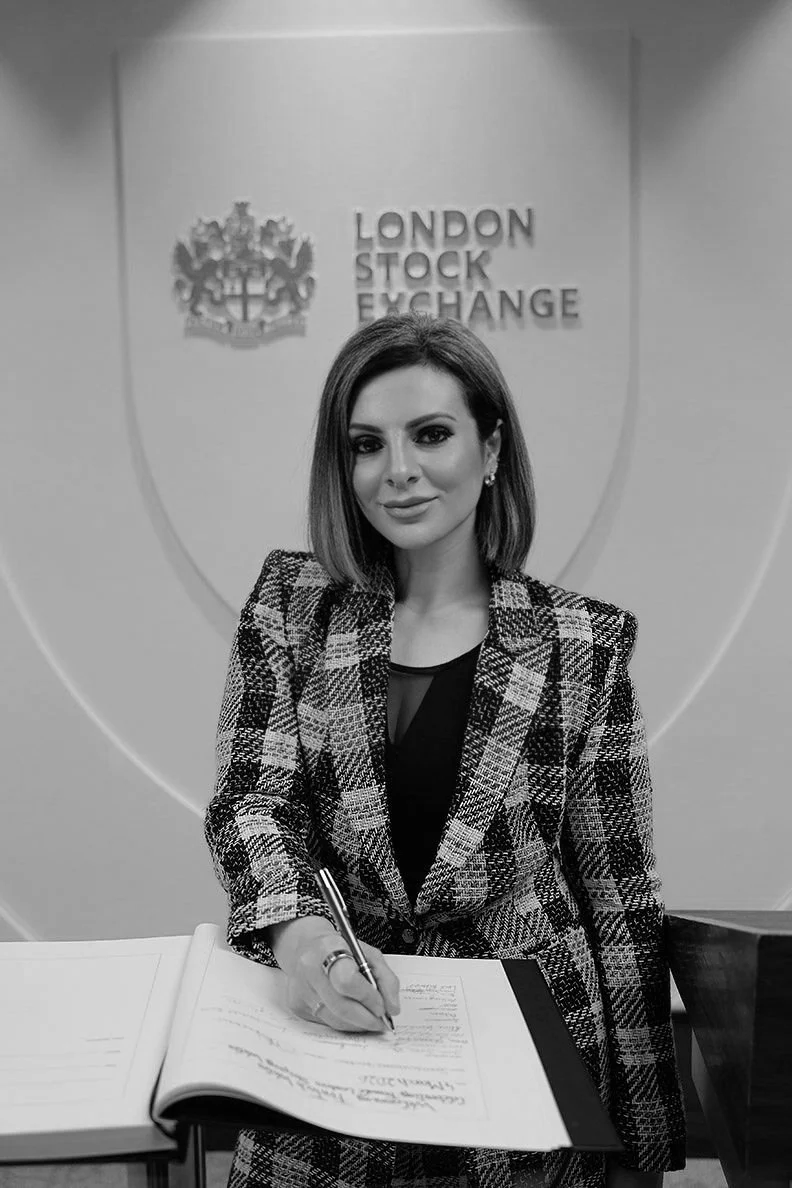

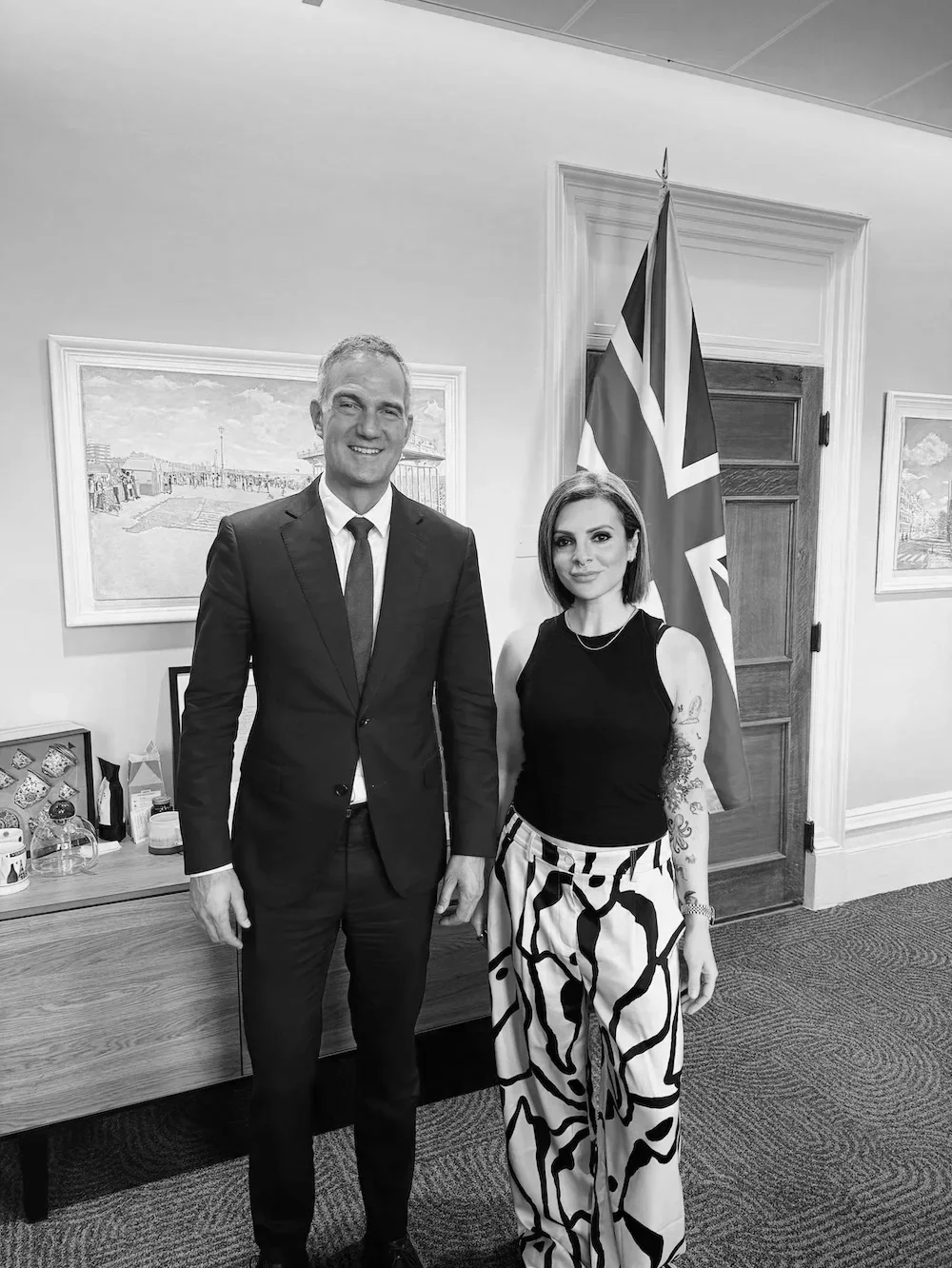
That is the thing about Lucy that people who have only seen her on stage sometimes miss.
The achievements are visible. The tenacity behind them is harder to see. The refusal to accept that a problem exists without also accepting some responsibility for solving it. The ability to look at a broken system, whether it is accountancy, or women's healthcare, or the way small businesses are treated by the companies that owe them money, and to decide, calmly and with complete conviction, that she is going to be the person who fixes it.
And then to fix it.
She has done this repeatedly, across fields that have nothing in common except that they needed fixing and she was paying attention. The subscription accountancy model she invented in 2006 is now standard across the UK profession. The clinical guidelines she forced a conversation about in 2021 have changed. The legislation she put evidence in front of has moved. The academic papers she is publishing now are challenging assumptions that the entire fintech industry has built its products on.
She is not a disruptor in the way that word usually gets used, as a kind of flattering shorthand for someone who launched an app or rebranded an industry. She disrupts things because she cannot look at something broken and walk away. That is a different thing entirely.

She grew up knowing that the path other people took was not going to be available to her, and she made her peace with that early.
The apprenticeship instead of university. The job at Cardiff County Council at nineteen, working her way through four roles in two years. The accountancy qualification studied around full-time work, completed the same year she founded Mazuma.
She has never talked about any of this as hardship. It was just the shape of her life, and she got on with it. But it explains something important about how she moves through the world: with the particular confidence of someone who has never had the luxury of waiting to be ready.
On the iconic silver hair
In April 2021, Lucy's body decided to try to kill her. Seventeen massive blood clots, lodged in her legs, any one of which would have been instantly fatal had it moved. A consultant who admitted he had never delivered that diagnosis to a living person before. A foot that nearly got amputated. Eighteen months of only just surviving, largely alone, while simultaneously running a multi-million-pound business, writing an award-winning book, taking on the medical establishment and winning, and getting her MBA.
When her body was forced to choose what to prioritise, it chose blood flow over melanin.
She has had silver hair ever since. Strangers stop her in the street to ask how she gets it that colour.
She tells them it just grows that way.
The full story is on her Substack, and it is worth every word.
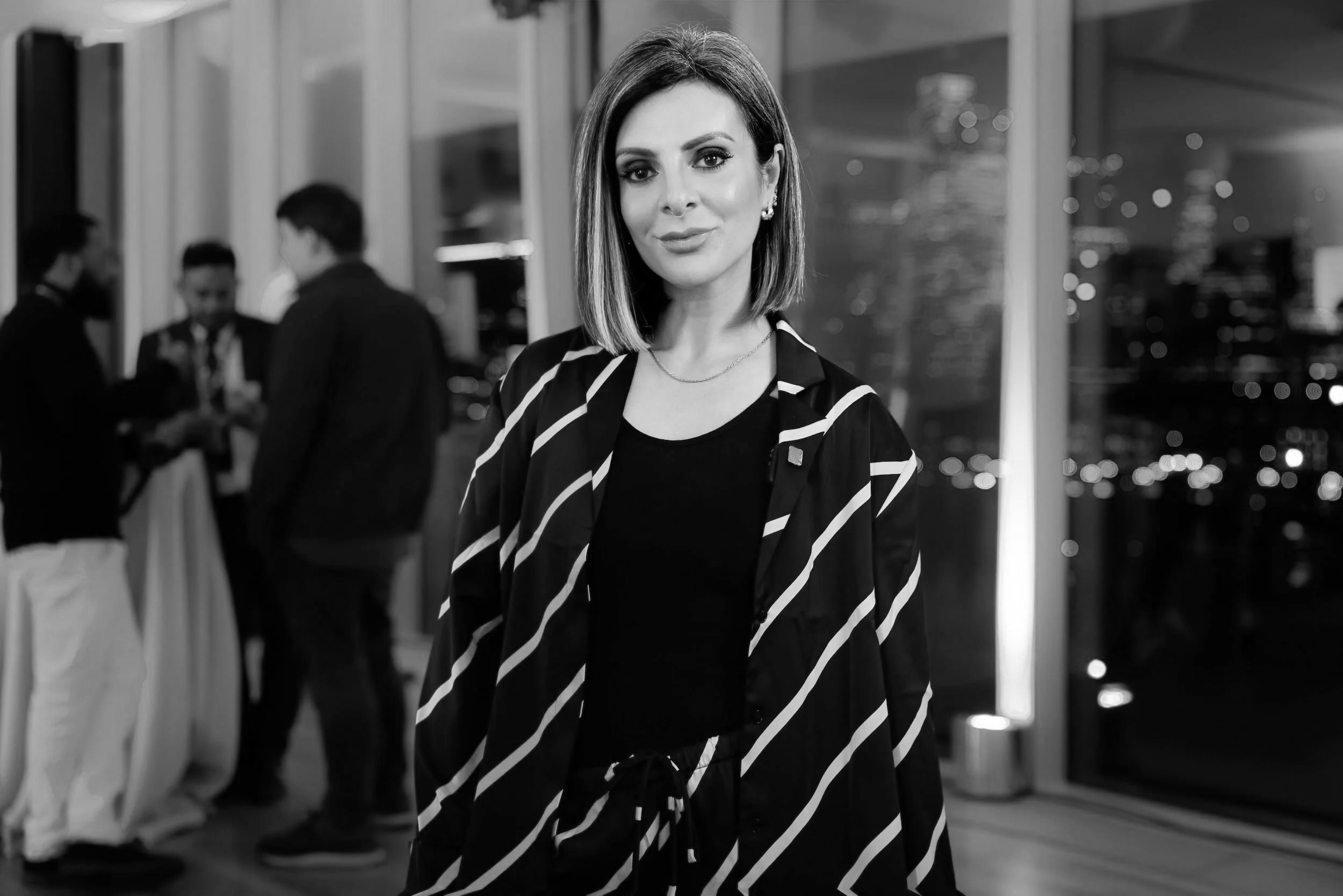
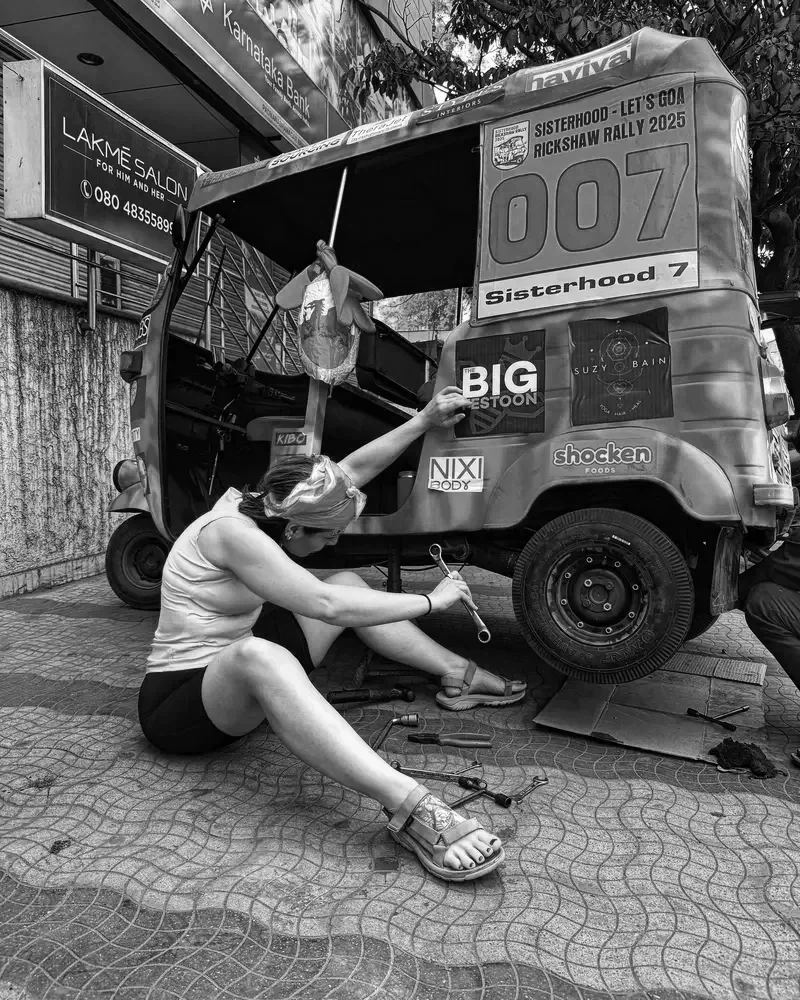
Outside the work, she is an ex Team GB Powerlifter and Commonwealth Powerlifting silver medallist.
She drove a rickshaw from Chennai to Goa to raise money for women’s charities.
Substack
Cohen, Going, Gone
She writes a Substack called Cohen, Going, Gone. Essays about the things she would never say on stage. It is where the unfiltered version lives: the thinking that doesn't make it into keynotes, the observations too honest, too personal or too unfinished for a conference room. It has attracted hundreds of subscribers who find, repeatedly, that she has articulated something they had never quite been able to say themselves.
The titles, since they matter
MBA with Distinction, Aston Business School
FMAAT
Policy adviser to Number 10
Doctoral candidate
National media commentator
President of the AAT 2025-26
Bestselling author
Founder and CEO of Mazuma
British champion powerlifter