

Some things are worth the fight. Lucy has picked her battles carefully. And won most of them.
Keynote speaker · Conference presenter · After-dinner speaker
Lucy Cohen does not campaign for the sake of it.
Every cause she has taken on has been driven by direct experience, backed by evidence, and pursued until something actually changed. Not a petition that disappeared. Not a panel appearance that led nowhere. Real, measurable change: in clinical guidelines, in legislation, in the way an entire profession thinks.
Look at the record. Every single time Lucy has decided something needs to change, it has changed.
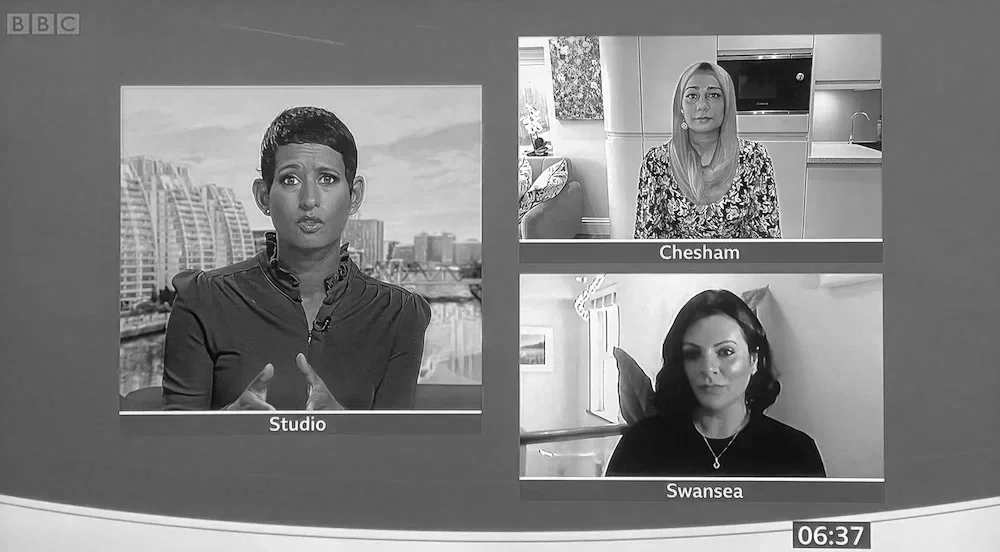
The IUD campaign
In 2021, Lucy underwent an IUD fitting and experienced severe pain that nobody had warned her to expect. She did what researchers do: she investigated. What she found was that her experience was not unusual. It was the norm. And the medical establishment was not talking about it.
She designed and conducted what is believed to be the first independent research survey into pain in IUD procedures. The findings were stark: 93% of respondents experienced pain during fitting, more than 25% rated it as almost unbearable or excruciating, and 71% had not been adequately informed of what to expect.
She published the findings. She built a campaign. She gathered 35,500 signatures. Vogue called it a medical Me Too.
The change was not symbolic. The FSRH updated its national clinical guidance on pain relief for IUD procedures. The NHS revised its website description of the procedure. The research was cited in the British Medical Journal, incorporated into medical training programmes and published in multiple books. Lucy worked alongside Patient Safety Learning, clinicians and journalist partners including Caroline Criado Perez, author of Invisible Women, to make sure the findings reached the people with the power to act on them.
The guidance changed. The training changed. The conversation changed. Women going for IUD fittings today are better informed and better protected because of work Lucy started at her kitchen table.
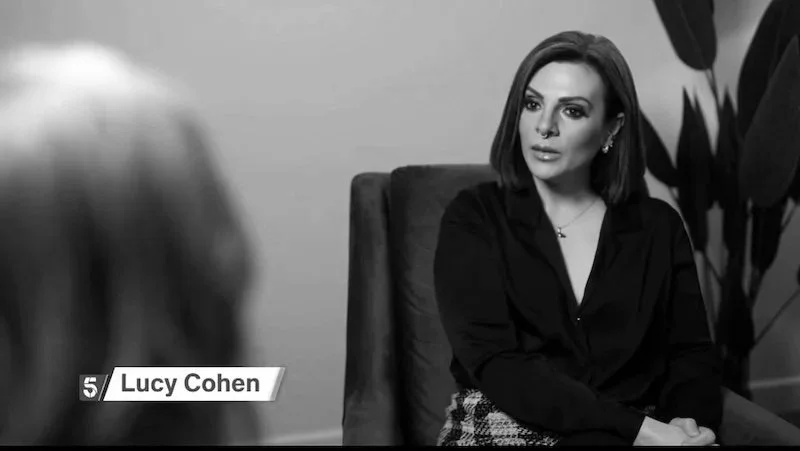
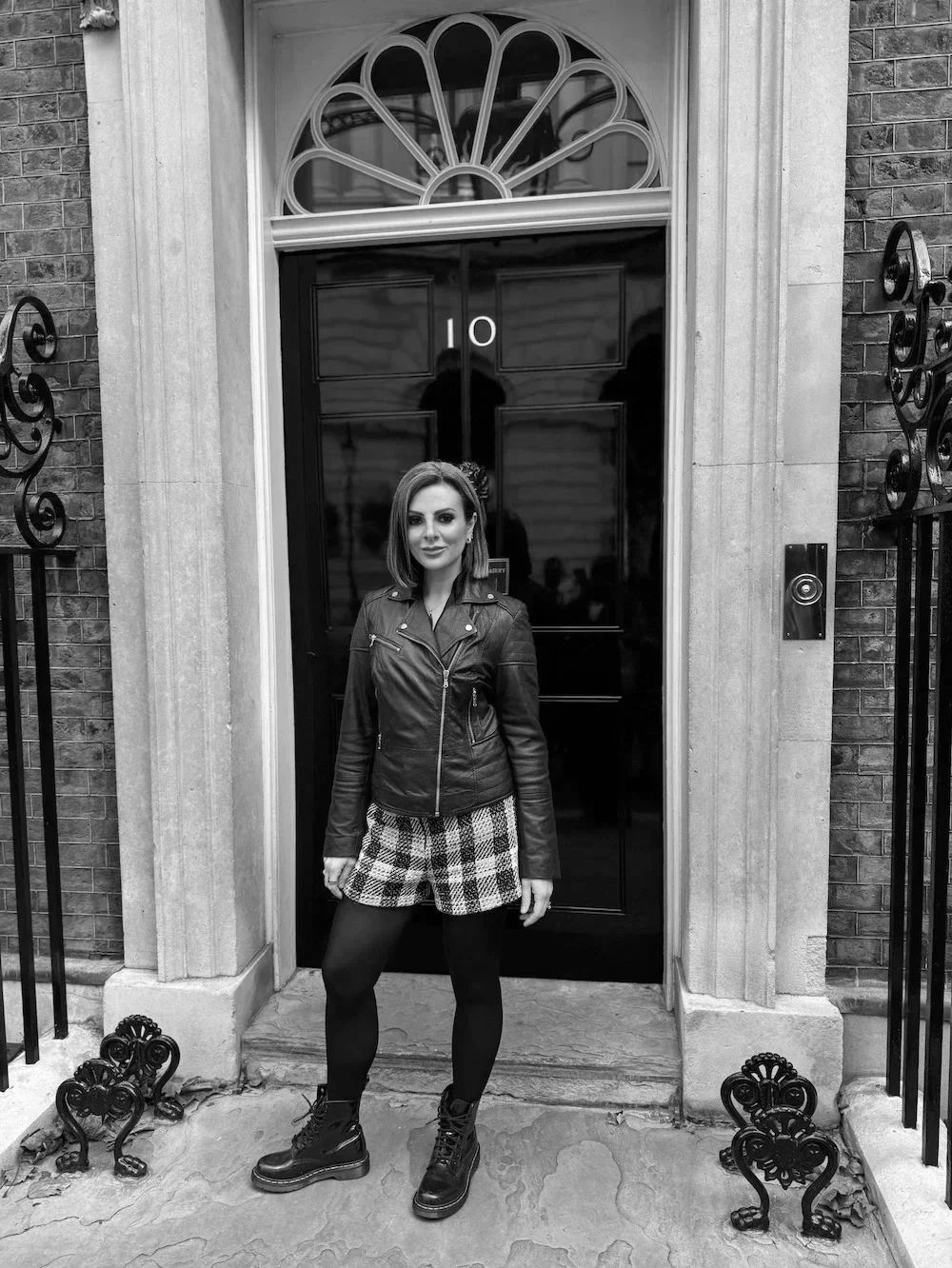
Late payments policy
Late payment destroys small businesses. Lucy has watched it happen firsthand across nearly two decades of working with micro-businesses and sole traders through Mazuma. She took that evidence to the people with the power to act on it.
As a policy adviser to Number 10 Downing Street and the Small Business Commissioner, Lucy provided direct practitioner evidence on the impact of late payment culture on the UK's smallest businesses, contributing to policy development on payment terms and enforcement mechanisms. The legislation moved. The conversation in government shifted. Small business owners have a stronger voice in Westminster because Lucy used hers.
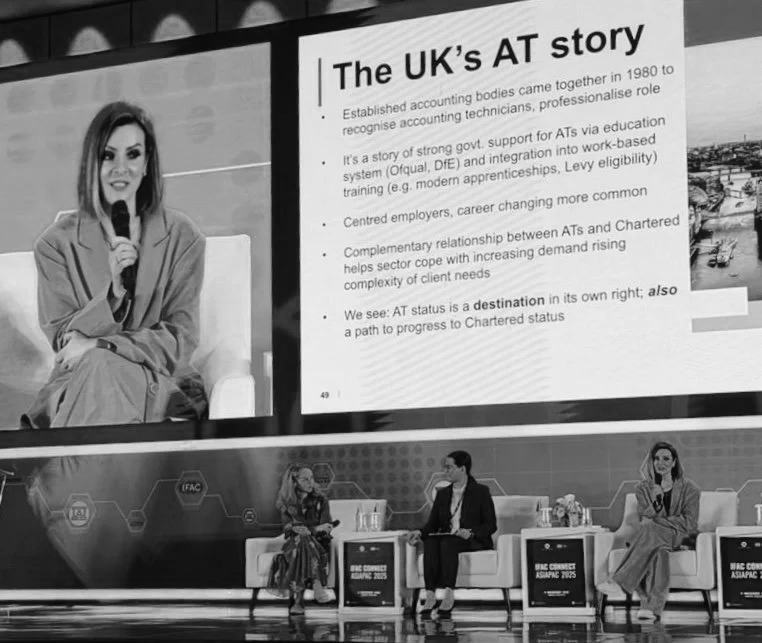
Women in business and finance
Accountancy has long been designed by and for men. Lucy has spent her career inside that system, building one of its most successful businesses, leading its largest technician body, and refusing to pretend the structural barriers do not exist.
Named Woman of the Year at the Women in Accountancy and Finance Awards in 2020, she speaks regularly on what building a business as a woman in finance actually requires, contributes to national media conversations on the subject, and uses her platform as AAT President to ensure the profession is genuinely accessible to everyone who wants to be part of it.